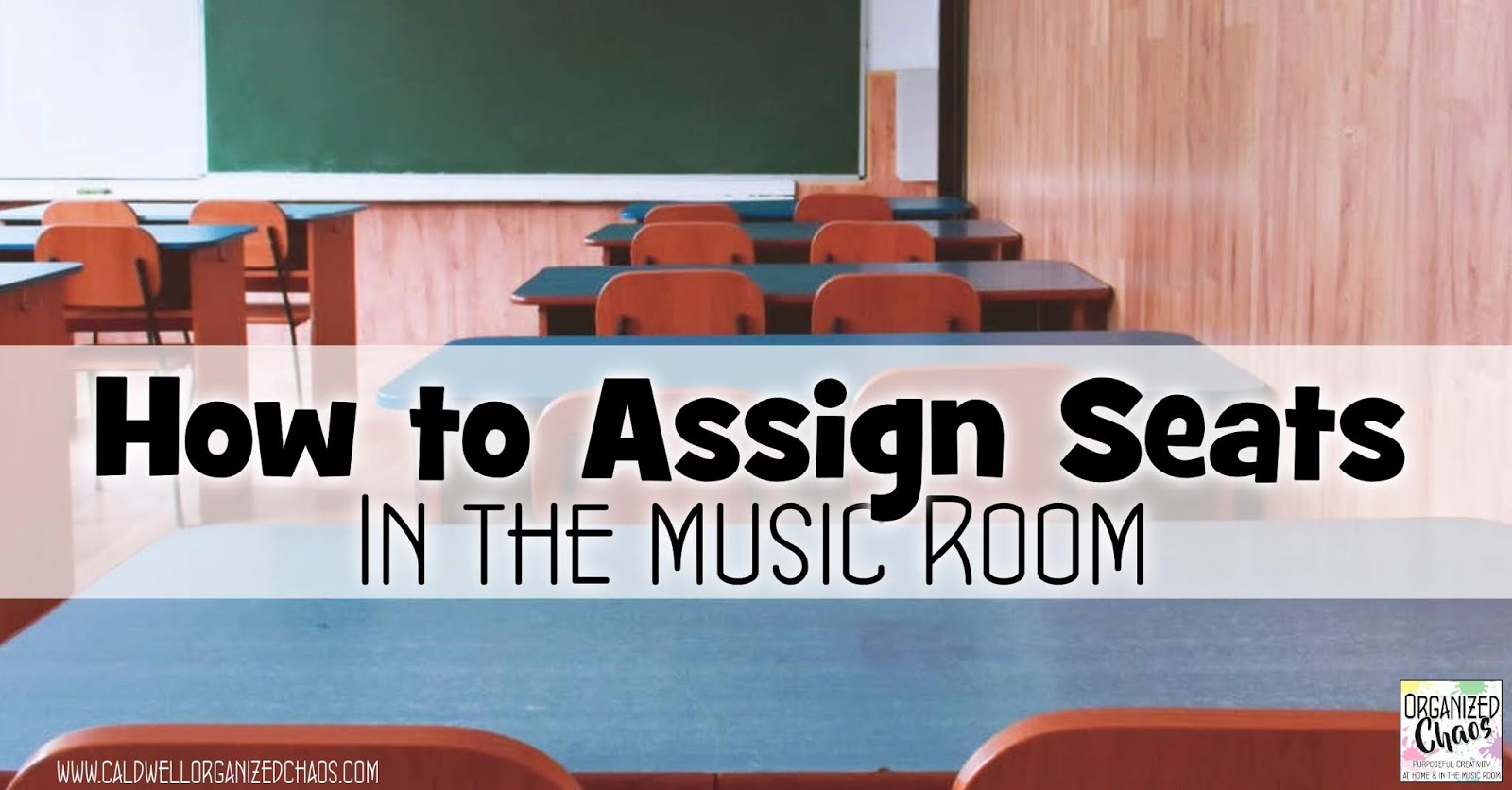
One of the most important tasks we face in back to school season is setting up our classrooms. Creating a welcoming, functional, and equitable learning environment is so important to the success of our students! Today I want to share my top priorities that I consider when I'm setting up (and continuously tweaking!) my music room setup.

The most important thing to remember when you're thinking about how to set up your classroom, no matter what, is how to help your students be most successful in your space. That's the thought behind every single one of the considerations I go through as I plan my classroom environment. Here are some specific aspects of classroom setup that are important to creating a room that's most conducive to student success:
1. Clutter
I find the more years I spend in a classroom, the more I tend to pare down! You'd think it would be the other way around, but as I learn which things I need and which I don't, my goal is always to get rid of as much as I can- the visuals on the walls, for sure, but more importantly the furniture. What can I move against a wall? Which items can I remove from the room entirely? Freeing up space is so important to avoid feeling claustrophobic, and gives more space for movement, small group work, and other important activities we all want to include in our classes.
Besides getting rid of stuff, though, organizing the things you do have can also make a big difference in clearing up clutter. Put like items together in bins instead of having everything sitting out on a shelf or in a giant drawer. A box of maracas looks a lot less cluttered than a pile of them! And of course organizing things like this has the added benefit of making things easier to use and find.
2. Student Eye Level and Reach
For students to be the most successful in your classroom they need to be able to do things independently, like get out instruments for themselves, or reference visuals on their own. So as you think about where to store and display things, think about what age (height) of student needs to be able to access them- I keep the instruments that I'm comfortable with my youngest students using, like egg shakers and rhythm sticks, on the lowest shelves. The same applies to visuals- I use ukuleles only with my 6th graders, so the ukulele posters can go somewhere that the younger ones can't see as easily.
3. Flow
How do you typically transition between one type of activity to another? Where do students walk to enter and exit the room? Which supplies do you most often use in certain parts of the room? Walk through the space in the way students will for different types of lessons and see if it makes sense. Think, too, about what students will be near when they have down time, like waiting in line. Visually interesting things are great but maybe not tantalizing instruments that you've asked them not to touch! Sometimes it's unavoidable- my open shelving where I keep almost all of my instruments is right next to the door that students use to enter and exit. If you are going to put students in a difficult situation, try to give them as many tools as possible to be successful- in my case that has meant marking a line on the floor where I expect students to stand when they line up, and keeping that line far enough away from the shelves so that they are less likely to lean on them while they're standing in line.
4. Themes/ Decor
The classroom needs to be appealing and welcoming to as many of your students as possible! While I'm not going to say that decorative themes are counterproductive or useless, I will say that it's important to find themes that are as universally-appealing as possible. Shiplap and florals may be great for your home office, but will it appeal to all of your students? My guess would be no. I think specifically about students whose taste and style are most different from my own and try to make my room appealing to them- I know I will naturally appeal to sensibilities that are similar to my own but I have to be conscious of those that are most different from my personal style.
In general visual themes that are more general are going to be more universally appealing- I don't have a "theme" so much as a color scheme, which is basically bright primary colors. But there's nothing wrong with inserting some quirks to make the room feel more playful- I have stuck with the few minion-themed elements I have in my room for so long because I've found they're universally appealing to a wide range of styles, personalities, and ages.
It's also important to consider what kinds of people you are representing and normalizing in your visuals- do you have a bunch of pictures of white men or are there faces of all different ages, genders, races, and religions? This is a whole separate, huge topic that is critical but requires a lot more space than I can give it in this post- click here to go to my series on this topic.
5. Seating
Think very carefully about student seating- at least where students are going to tend to spend the most time in your room. In my opinion chairs are worth the added clutter for older (taller) students, for students with physical limitations, and for students wearing skirts and dresses. Sitting on the floor for long periods of time just is not comfortable for those student groups, and will be more of a distraction than an enhancement of their learning. If you can't get chairs in your room for one reason or another, you'll want to think carefully about how to accommodate the needs of those students- is there a way to have some alternative seating options like stools or benches? Or maybe you just need to give students the option of standing- if so, where can students who want to stand be so they're not blocking other students' view?
I'm also a firm believer in assigned seating for music classrooms. Because of how infrequently students come to our classrooms, having an assigned place to go increases predictability and structure. I also think a good seating arrangement can make a huge difference in student success- you can read all about all the different things I take into consideration to make my seating charts in this post.
What are your top considerations when you're setting up your classroom? If you want to see my most recent classroom tour, click here (the photos in this post are actually from a few years ago!). Don't have a classroom? MusicOnACart is a wonderful resource for music teachers working without a room of their own, including lots of tips for setting up your cart!


The most important thing to remember when you're thinking about how to set up your classroom, no matter what, is how to help your students be most successful in your space. That's the thought behind every single one of the considerations I go through as I plan my classroom environment. Here are some specific aspects of classroom setup that are important to creating a room that's most conducive to student success:
1. Clutter
I find the more years I spend in a classroom, the more I tend to pare down! You'd think it would be the other way around, but as I learn which things I need and which I don't, my goal is always to get rid of as much as I can- the visuals on the walls, for sure, but more importantly the furniture. What can I move against a wall? Which items can I remove from the room entirely? Freeing up space is so important to avoid feeling claustrophobic, and gives more space for movement, small group work, and other important activities we all want to include in our classes.
Besides getting rid of stuff, though, organizing the things you do have can also make a big difference in clearing up clutter. Put like items together in bins instead of having everything sitting out on a shelf or in a giant drawer. A box of maracas looks a lot less cluttered than a pile of them! And of course organizing things like this has the added benefit of making things easier to use and find.
2. Student Eye Level and Reach
For students to be the most successful in your classroom they need to be able to do things independently, like get out instruments for themselves, or reference visuals on their own. So as you think about where to store and display things, think about what age (height) of student needs to be able to access them- I keep the instruments that I'm comfortable with my youngest students using, like egg shakers and rhythm sticks, on the lowest shelves. The same applies to visuals- I use ukuleles only with my 6th graders, so the ukulele posters can go somewhere that the younger ones can't see as easily.
3. Flow
How do you typically transition between one type of activity to another? Where do students walk to enter and exit the room? Which supplies do you most often use in certain parts of the room? Walk through the space in the way students will for different types of lessons and see if it makes sense. Think, too, about what students will be near when they have down time, like waiting in line. Visually interesting things are great but maybe not tantalizing instruments that you've asked them not to touch! Sometimes it's unavoidable- my open shelving where I keep almost all of my instruments is right next to the door that students use to enter and exit. If you are going to put students in a difficult situation, try to give them as many tools as possible to be successful- in my case that has meant marking a line on the floor where I expect students to stand when they line up, and keeping that line far enough away from the shelves so that they are less likely to lean on them while they're standing in line.
4. Themes/ Decor
The classroom needs to be appealing and welcoming to as many of your students as possible! While I'm not going to say that decorative themes are counterproductive or useless, I will say that it's important to find themes that are as universally-appealing as possible. Shiplap and florals may be great for your home office, but will it appeal to all of your students? My guess would be no. I think specifically about students whose taste and style are most different from my own and try to make my room appealing to them- I know I will naturally appeal to sensibilities that are similar to my own but I have to be conscious of those that are most different from my personal style.
In general visual themes that are more general are going to be more universally appealing- I don't have a "theme" so much as a color scheme, which is basically bright primary colors. But there's nothing wrong with inserting some quirks to make the room feel more playful- I have stuck with the few minion-themed elements I have in my room for so long because I've found they're universally appealing to a wide range of styles, personalities, and ages.
It's also important to consider what kinds of people you are representing and normalizing in your visuals- do you have a bunch of pictures of white men or are there faces of all different ages, genders, races, and religions? This is a whole separate, huge topic that is critical but requires a lot more space than I can give it in this post- click here to go to my series on this topic.
5. Seating
Think very carefully about student seating- at least where students are going to tend to spend the most time in your room. In my opinion chairs are worth the added clutter for older (taller) students, for students with physical limitations, and for students wearing skirts and dresses. Sitting on the floor for long periods of time just is not comfortable for those student groups, and will be more of a distraction than an enhancement of their learning. If you can't get chairs in your room for one reason or another, you'll want to think carefully about how to accommodate the needs of those students- is there a way to have some alternative seating options like stools or benches? Or maybe you just need to give students the option of standing- if so, where can students who want to stand be so they're not blocking other students' view?
I'm also a firm believer in assigned seating for music classrooms. Because of how infrequently students come to our classrooms, having an assigned place to go increases predictability and structure. I also think a good seating arrangement can make a huge difference in student success- you can read all about all the different things I take into consideration to make my seating charts in this post.
What are your top considerations when you're setting up your classroom? If you want to see my most recent classroom tour, click here (the photos in this post are actually from a few years ago!). Don't have a classroom? MusicOnACart is a wonderful resource for music teachers working without a room of their own, including lots of tips for setting up your cart!